The Traditional Preparation of Medicated Alum (Phitkari) for Topical Skin Use
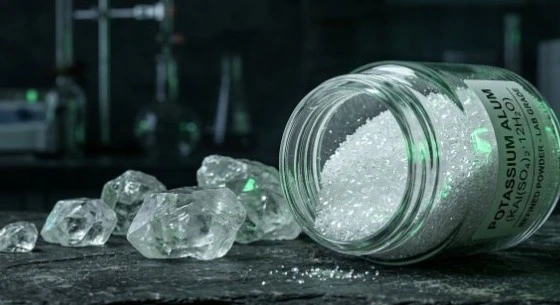
In traditional mineralogy, potassium alum (locally known as Phitkari or Shab-e-Yamani) is more than just a barber's antiseptic. When refined through specific traditional methods, this alum crystal becomes a sophisticated topical mineral preparation valued for its hygiene-supporting properties.
Field Observation (Independent Research Perspective)
In small-scale observations conducted in local environments, I have noted that refined alum powder maintains surface dryness effectively when applied to moisture-prone areas. For instance, individuals working in high-humidity conditions have observed a soothing effect on skin friction when using this purified mineral. However, responses vary based on individual skin sensitivity.
How to Prepare Purified Alum Historically
Refining raw alum crystals into a medicated state is a multi-step process designed to remove impurities and soften the mineral's impact on the skin.
- Dissolution: 250g of white potassium alum is crushed and dissolved in 1kg of pure water.
- Decanting: After 24 hours of rest, the clear solution is decanted, leaving sediment behind.
- Refining: The liquid is slowly boiled in a stainless steel vessel. As the water evaporates, a brilliant, "buraq" white powder begins to crystallize.
- Curing: The resulting mineral powder is cured in mild sunlight to ensure zero residual moisture.
Topical Applications & Surface Wellness
Historically, this refined mineral has been integrated into wellness routines to address specific surface-level concerns:
- Blemish Support: Often dusted on minor surface-level skin eruptions to support cleanliness.
- Occupational Skin Hygiene: Technicians and field workers use it to manage moisture between the toes, a common practice for natural remedies for fungal skin infections.
The Full Healing System
This article is a part of our master framework for natural health. For the complete system of heart, gut, and skin vitality, explore our main guide.
← Back to Vitality Blueprint Master GuideExpand Your Wellness Knowledge
This preparation is part of our broader research into natural mineral supports. Explore our full system for more insights.
Back to TapBPMTool Home